How I Proposed: A Guide to Asking
I never thought I’d be the one to propose.
But after years of waiting—and years of quietly absorbing a script about how love was supposed to go, and who was supposed to do the asking—I realized this: love isn't about being chosen, it's about choosing yourself.
Growing up as the daughter of immigrants, I learned early to follow the roadmap handed to me, even when it didn't fit. This is the story of how I finally put it down.
If you've ever wondered whether you could be the one to ask, or whether you're allowed to rewrite any script that was handed to you, this guide shares what I learned, what surprised me, and the questions to sit with before you decide.
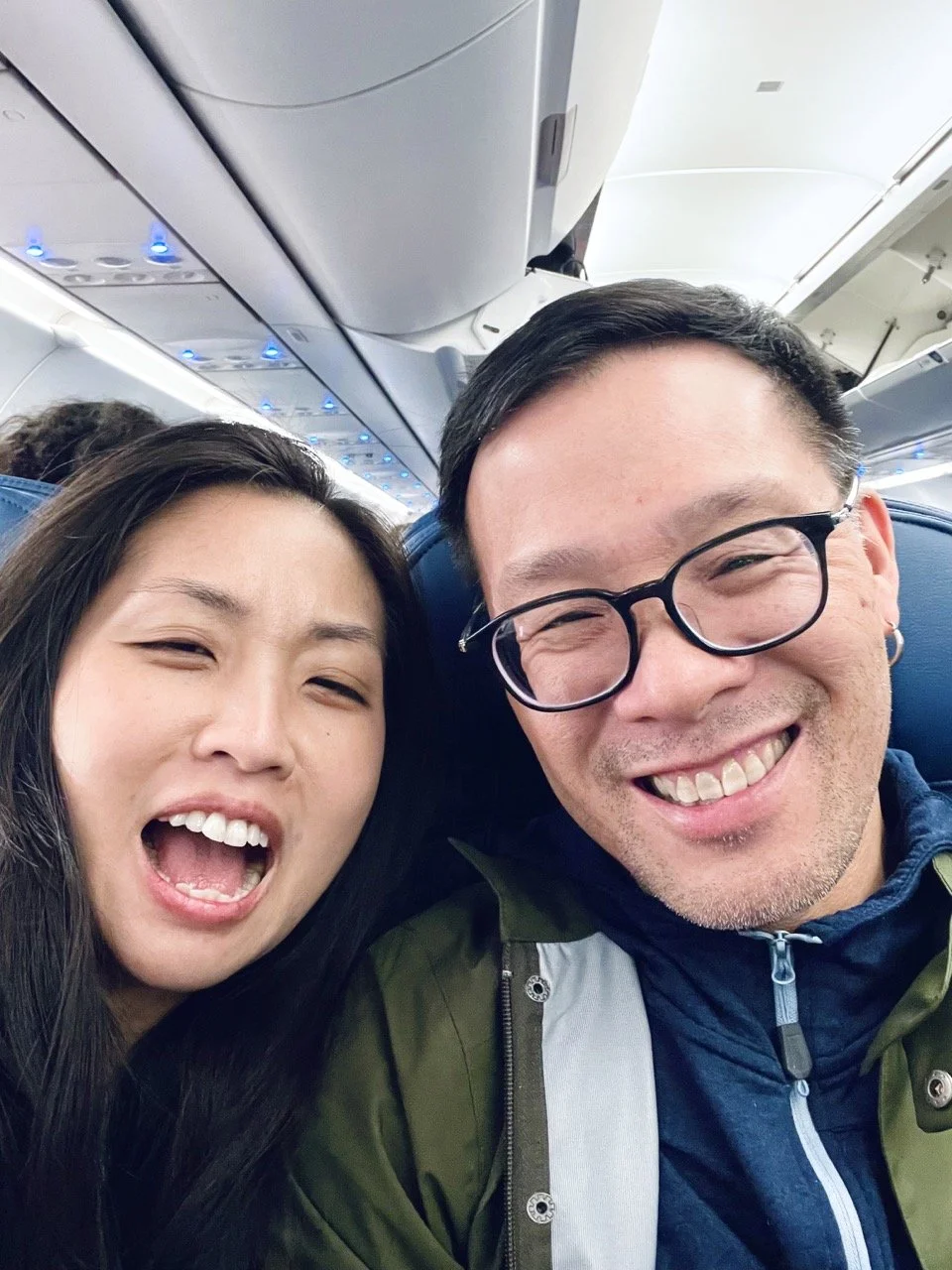
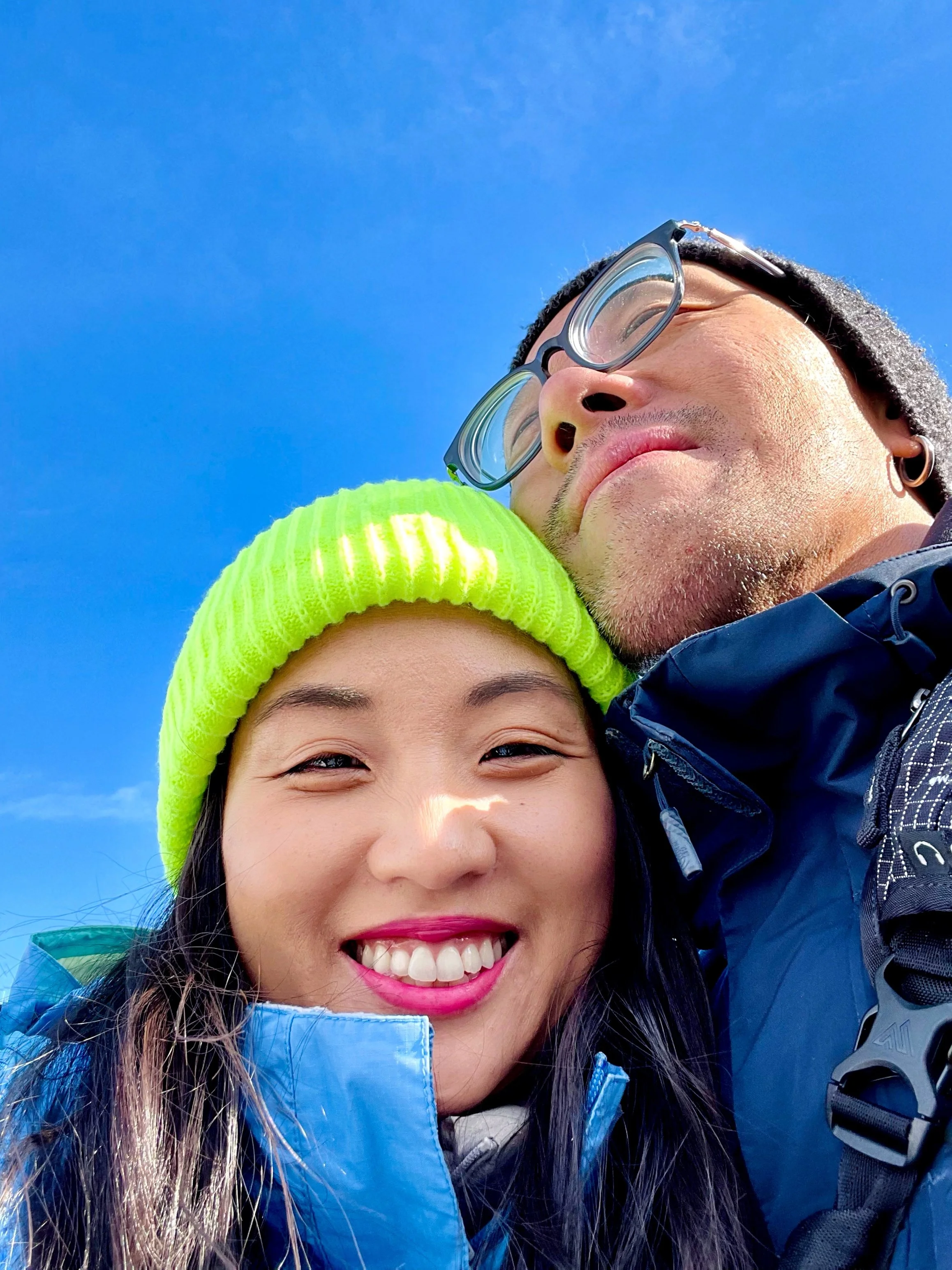
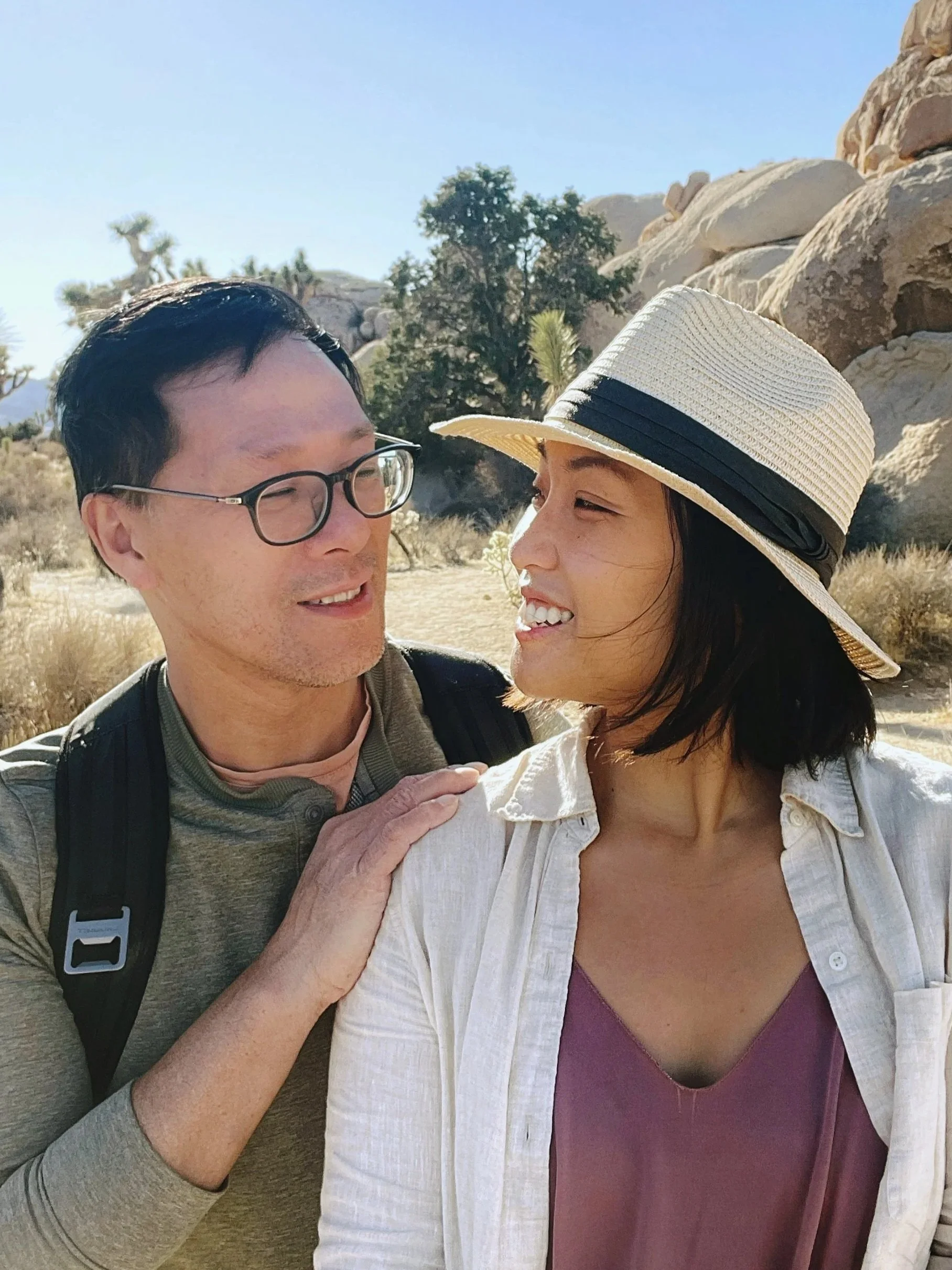

Before The Proposal
The decision to propose didn’t happen in a single flash. It was more like a steady buildup of friendship, longing, frustration, and a tug toward wanting something more.
Back then, we were three years into our relationship. He was steady, kind, and saw me through some really tough situations. I loved him deeply, but I also found myself in an emotional rut I couldn’t quite name. I wanted our relationship to move forward, and he didn’t seem to.
I told myself to be patient, but I’d find myself hinting (too many times) at engagement scenes on TV.
I even made a Pinterest board filled with wedding ideas and “accidentally” left it open on his iPad…hoping he’d take the bait. He didn’t.
It stung.
I took his silence as rejection, as a sign that I was unwanted or that he didn’t see a future with me.
It took months of overthinking before the question shifted from…
“Why won’t he ask me?” → “Why can’t I be the one to ask?”
I’d been waiting to be chosen for so long that I lost sight of the truth: I have a say in my own story.
I had spent years pushing back against the "quiet Asian woman" script at work, in friendships, in how I moved through the world. And yet here I was, in my own relationship, still waiting for permission. Still following a different version of the same old story. I was tired of it.
So I decided to make a change.
Step 1: Make the Rings
As a woman, there isn't exactly a blueprint for proposing. So I designed my own path as I went.
I already knew a diamond ring and getting down on one knee didn’t fit who we are and what we value. So instead, I leaned into what we cherished: my craftiness (which he loves) and our shared practicality.
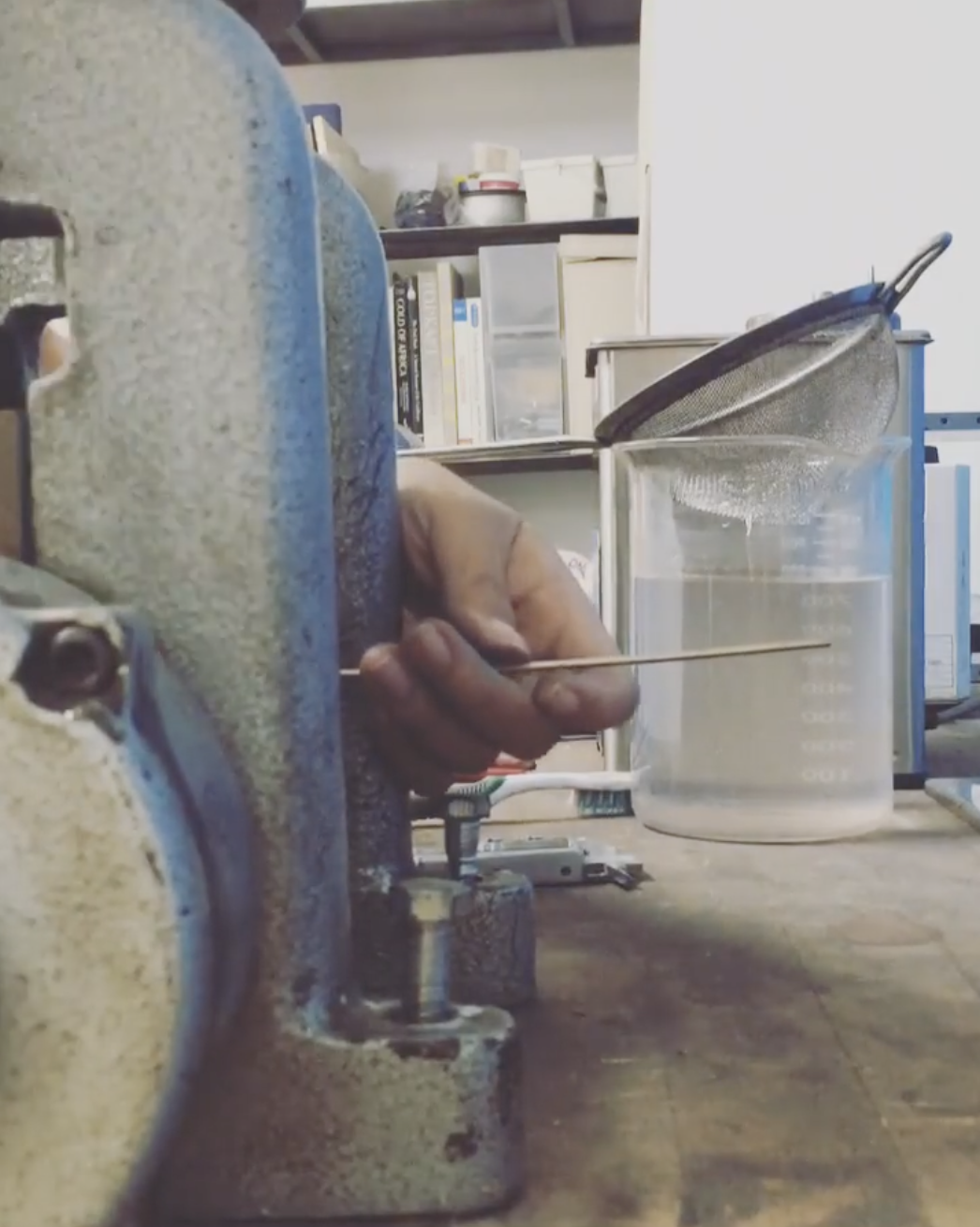

We'd need wedding bands eventually, so why not start there? I enrolled in a six-month jewelry course to create our own symbol of commitment.
This was where hours of spy movies came in handy. I’d quietly rummage through his accessories when he wasn’t around, taking notes on his preferences. I measured his ring size without waking him up.
He's not one for flash, so I kept his ring simple: clean lines, timeless, white gold to match the earring he wore every day.
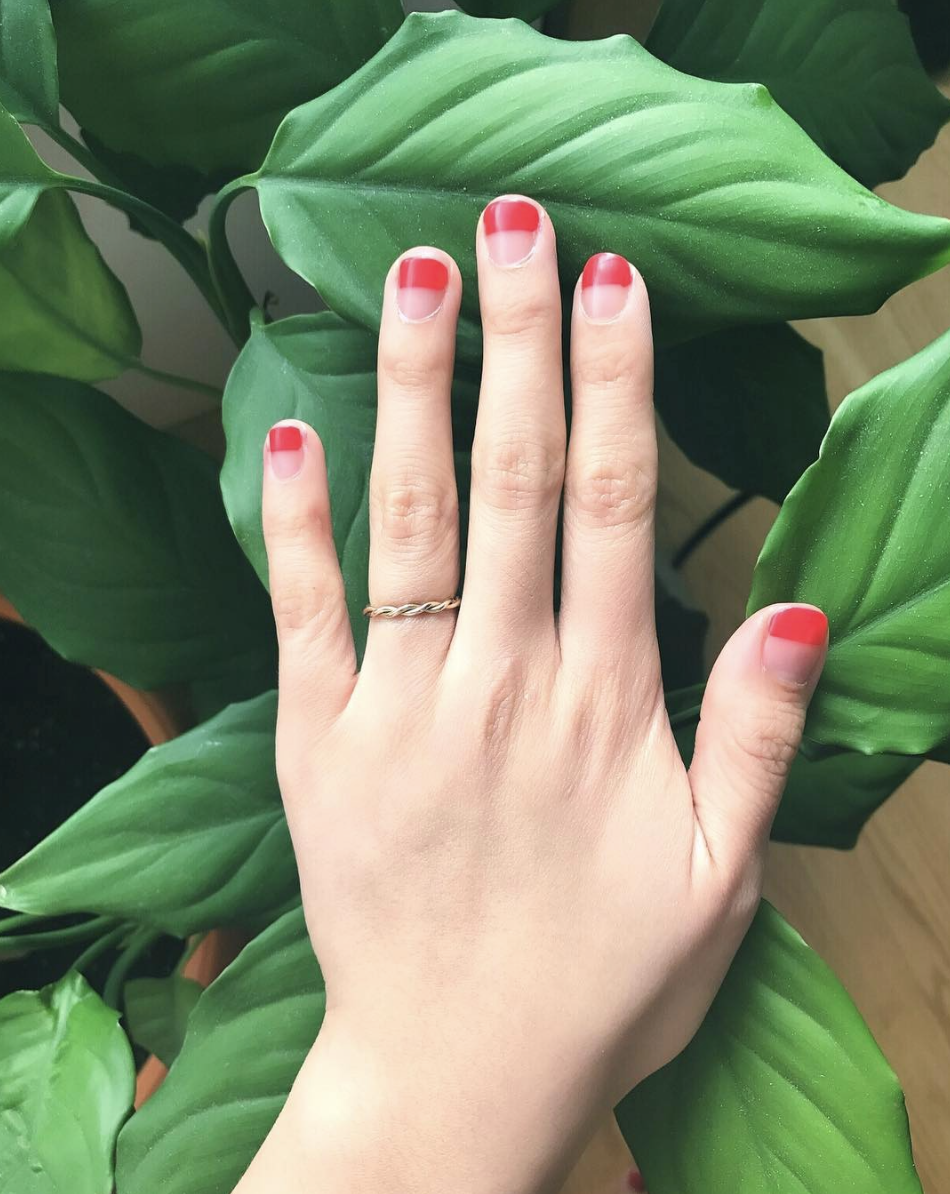
My ring was different: a twisted braid in warm gold. A modern take on a ring I inherited from my mother, who came to the United States from Burma with very little and built a life anyway. She never got to choose her own story the way I’m choosing mine. The braid is symbolic, with two strands that grew stronger when together. It also represented continuity, a way to connect my past into my future.
I was so focused on the making that I didn't see what was actually happening. Sitting at that jeweler's bench, I wasn't just shaping metal. I was shaping my life and what partnership meant to me—and learning, for the first time in a long time, that I got to decide how I want things to go.
(Keep reading to see the finished rings!)
Step 2: Pick the Date
I chose to propose on his birthday. It was the perfect cover. If he saw me sneaking around, he’d just assume I was planning a surprise dinner.
I took three days off work––a radical move for someone who never unplugged––to plan a five-course meal that I had no business cooking. (Let’s be real, I’m more of a foodie than a chef.)


Telling my coworkers not to contact me during this time sparked a flurry of questions. When they kept pressing, I finally admitted what I was planning. But before I did, I sat with the doubts that had been quietly circling in the back of my mind:
Would people think I’m weird or desperate?
Will people see me differently if he said no?
Am I making a mistake?
Their response surprised me. No pity, no weird looks. Just encouragement.
That's when I realized: the judgment I feared most was my own. The doubts I had weren't warnings about what I was about to do, but remnants from a story I'd been told about what I did and did not deserve.
Step 3: Pop the Question
There’s a quote I repeat often, “Everybody’s got a plan until they get punched in the face.”
A few days before the proposal, his office flooded. Of course it did. I laughed, then immediately started rearranging everything in my head, because it meant he'd be home all day. My whole timeline, gone.
I felt terrible asking him to leave his own apartment on his birthday. I kept it casual (“go wander the city, maybe go to boxing class”) and somehow, he didn't question it. The moment the door closed behind him, I got to work. I cooked. I plated. And with every dish, I got a little more nervous.
When he came back, he played along beautifully by walking through the door with exaggerated surprise, that knowing smirk already on his face. "Oh, I had no idea!" Sure, babe.
After an impressive dinner (if I may say so), I shyly handed him a small gift box with a card. He opened it slowly, chuckling, and asked our dog, “Hercules, what is this?”
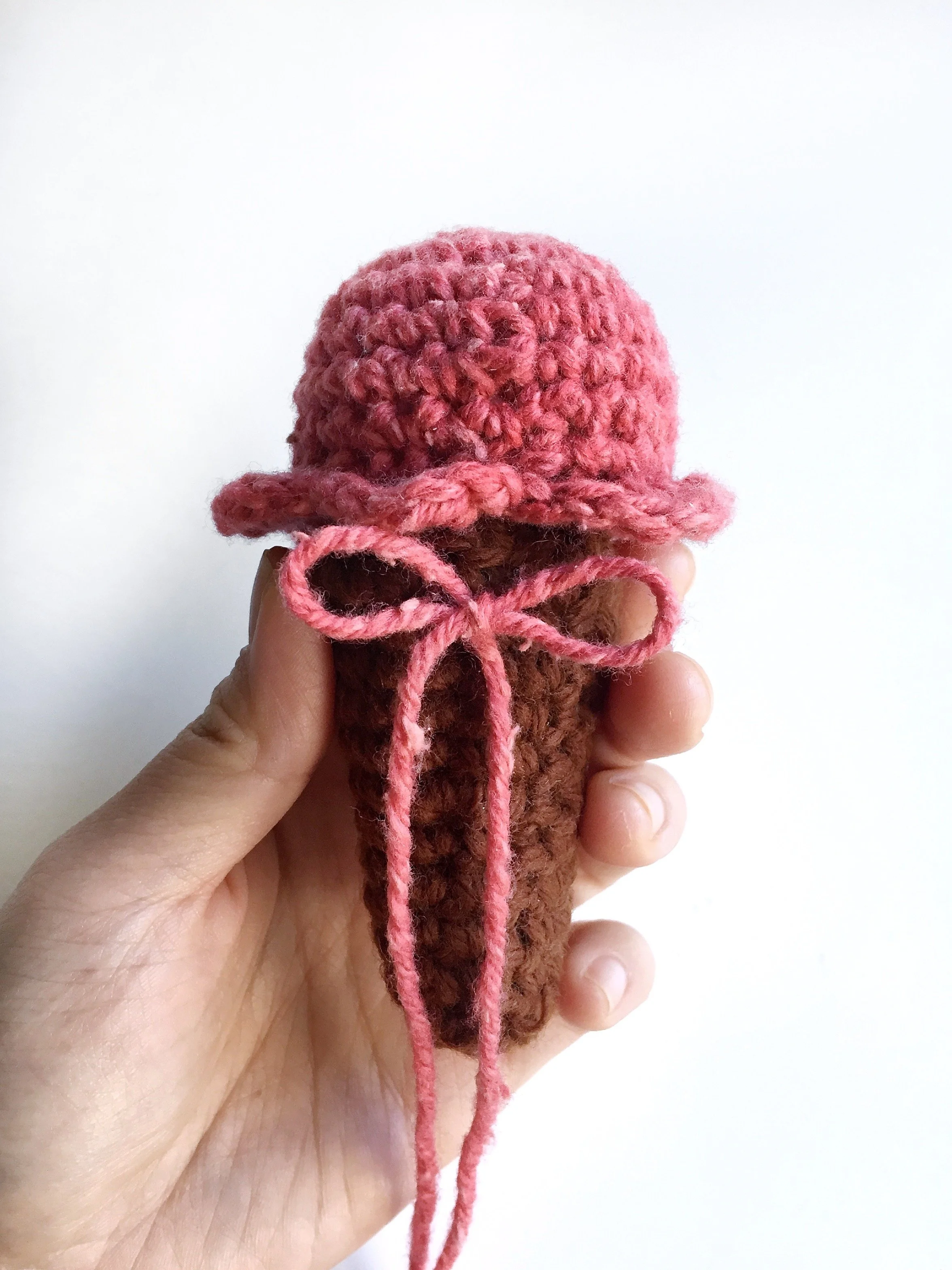
Inside was the ring box I'd crocheted in the shape of an ice cream cone (one of his favorite things). He opened it. Two rings.
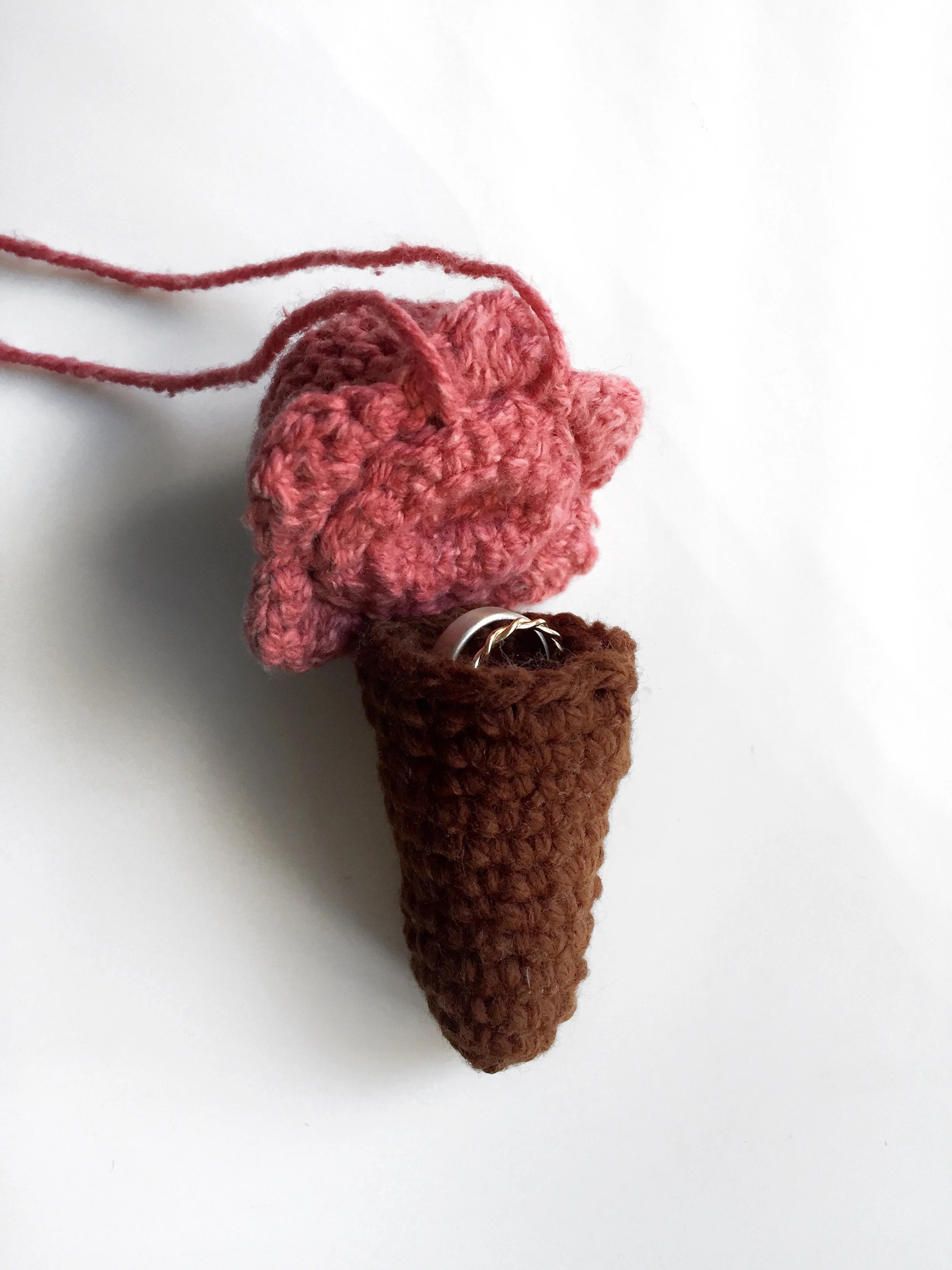
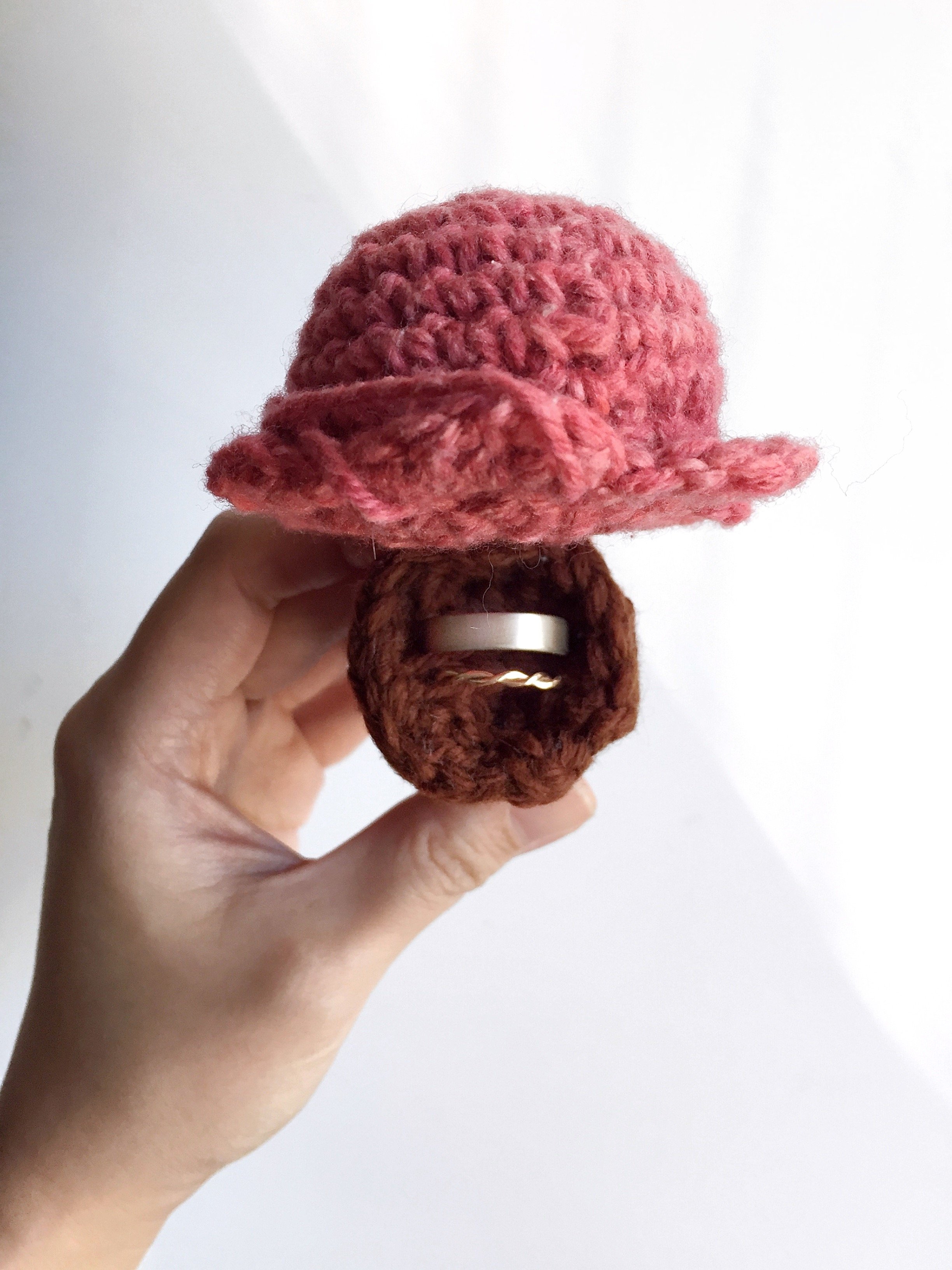
“Are these both for me? One is kind of small…” He held them up, genuinely puzzled, looking to me for an explanation.
I opened my mouth. Nothing came out.
I pointed to the card instead—the one where I'd written everything I meant to say out loud. Thank goodness for Plan B.
He read the card. Then silence. The kind that fills a room. I had fully prepared myself to hear "This is sweet, but I need to think about it." And I would have respected that because a proposal is a question at the end of the day, not an ultimatum.
I held my breath, bracing.
Then he said yes.
I made him say it again, just to be sure. And then, to be extra sure, I said, "No take-backs, ok?"
When I think back on this day, the moment I keep coming back to isn't the yes. It's the silence right before it, when I sat across from him, having already done the thing I was afraid to do. All the waiting, the worrying, the spiraling—it faded away, and something more solid took its place.
That was my first real glimpse of self-trust. Proof of what I was capable of when I stopped waiting for permission.
The Lessons
I still smile thinking about that night: pulling off the dinner (without burning anything), the tender look on his face when he realized what was happening, and the flurry of supportive texts from my coworkers who were quietly rooting for me.
And I still laugh at the memory of him turning to our dog, genuinely confused, asking, “What is this?!” before it all clicked.
Looking back, proposing taught me more than I could have imagined about love, self-trust, and alignment:
That taking time to figure out what I really want is always time well spent.
That what we fear people think of us is often our own self-judgment projected outward.
That it’s never as weird as we think it is. Most people find bravery contagious.
That I’m happiest when I act in alignment with how I want to see myself. That’s authenticity after all.
That the scripts we inherit—about love, about gender, about who gets to ask and who gets to wait—were written by people who weren't thinking about us specifically. We're allowed to write new ones.
And maybe most importantly, that someone saying yes to me, whether it’s a partner, a boss, or life itself, can only happen after I’ve said yes to myself.
A Reflection Guide Before You Propose
If you're wondering whether to propose, here are a few questions to sit with before you decide.
Why now?
What’s truly motivating this moment? Love, frustration, impatience, or something else?
What does commitment mean to you right now?
Are you asking for validation, partnership, reassurance, or shared direction?
How do you want to feel in the moment and how do I want your partner to feel?
This centers the experience in connection, not performance.
What stories about love, gender, or self-worth are you carrying?
Notice what expectations you might be ready to release, and what values you want to lead with instead.
If they say no (or not yet), what will you tell yourself?
Your courage isn’t defined by the outcome, it’s revealed in your willingness to ask.
How can you both co-create what commitment looks like, instead of inheriting a script?
This question matters for everyone: men, women, queer, nonbinary, anyone who wants to love more consciously.
How do you want this decision to reflect who you both are, not what’s expected of you?
That’s the heart of authenticity: shaping life in your image, not in tradition’s shadow.

Planning your next chapter?
If you’re in a ‘what if?' moment in love, leadership, or life but you’re not sure where to start, book a free discovery call and let’s talk. No more waiting. It’s time to say yes to yourself.